

Sears, once a dominant retail giant in the United States, has undergone significant changes over the past few decades. Known for its department stores and iconic catalog, Sears was a household name for much of the 20th century. However, as the retail landscape evolved with the rise of e-commerce, Sears struggled to adapt. Today, the question remains: Is Sears still in business, and can it survive in the competitive world of online retail?
History of Sears
Founded in 1886 by Richard Warren Sears and Alvah Curtis Roebuck, Sears began as a mail-order catalog company, selling watches. Over the years, it expanded into a retail powerhouse, offering everything from appliances to clothing. By the mid-20th century, Sears was synonymous with American retail, with stores in nearly every city and a catalog that reached millions of households. At the height of its success, Sears was the world’s largest retailer.
However, the company faced growing challenges in the late 20th and early 21st centuries. The rise of big-box retailers like Walmart and Target, along with the explosion of e-commerce platforms like Amazon, gradually eroded Sears’ market share. Despite efforts to modernize its stores and online presence, Sears found itself struggling to compete in a rapidly changing retail environment. The company’s decline culminated in a bankruptcy filing in 2018, sparking questions about its future.
Is Sears Still in Business?
Yes, Sears is still in business, but in a much smaller capacity. While many of its physical stores have closed, the company continues to operate online through its website, Sears.com. Today, Sears offers a range of products, including appliances, tools, clothing, and mattresses. Its online store is designed to cater to consumers who still value the brand’s legacy of offering quality products at affordable prices.
Despite its diminished presence in brick-and-mortar retail, Sears remains a recognized name in the online space. However, its current operations are a far cry from its peak as a retail giant, and the company faces an uphill battle to maintain its relevance in today’s highly competitive digital marketplace.
Product Categories Available Online
Sears’ online presence offers several key product categories that have historically been its strong suit. These include:
-
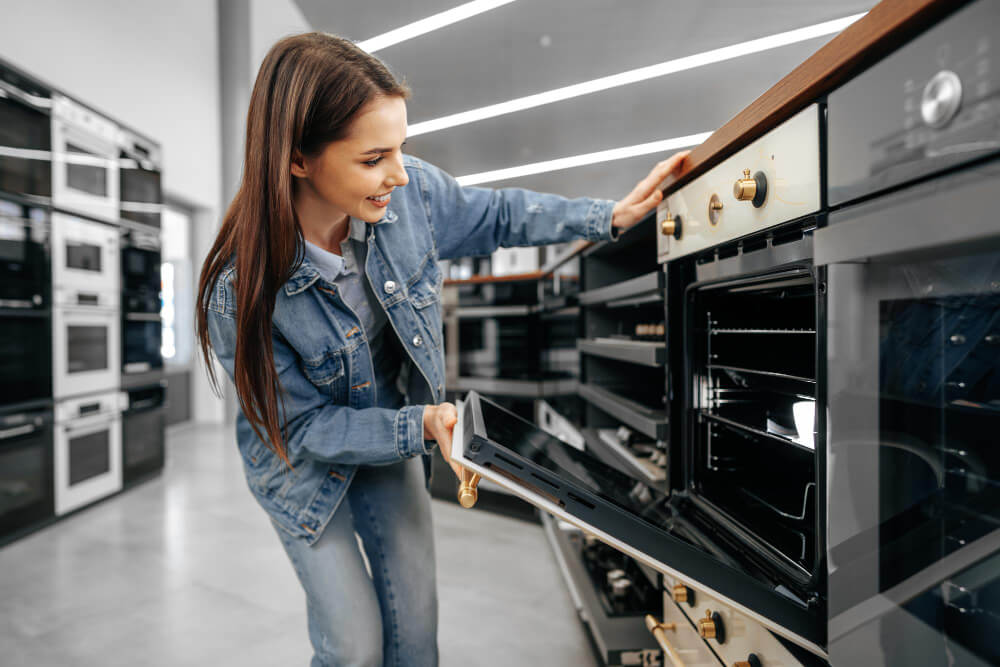
Appliances: Sears continues to be a go-to retailer for home appliances, such as refrigerators, washers, dryers, and dishwashers. The company’s legacy in appliance sales is still reflected in its online offerings.
-
Tools and Hardware: Sears is also known for its extensive selection of tools and home improvement products, especially under the Craftsman brand. This category remains a major part of the online store.
-
Clothing and Footwear: Sears continues to sell clothing for men, women, and children, as well as footwear. Although this category has seen significant competition from fast-fashion retailers, Sears maintains a presence with budget-friendly options.
-
Mattresses: Sears offers a variety of mattress brands, focusing on providing comfort and affordability.
While these product categories remain available, Sears must compete with much larger e-commerce players like Amazon and Walmart, who offer broader selections and faster delivery.
Financial Challenges and Bankruptcy
Sears’ financial troubles are well-documented. In 2018, the company filed for Chapter 11 bankruptcy protection, citing a mountain of debt, declining sales, and rising competition from online retailers. Despite attempts to restructure and streamline operations, Sears’ efforts were largely unsuccessful in stemming the tide of store closures and financial losses.
The bankruptcy process allowed Sears to shed some of its debt and close underperforming stores, but the company was left with fewer resources to compete against its more nimble e-commerce competitors. The financial strain, combined with the ongoing decline in foot traffic to malls, left Sears in a vulnerable position.
Sears’ Competitive Position in the Online Retail Market
In the current online retail market, Sears finds itself facing intense competition. E-commerce giants like Amazon and Walmart dominate the online shopping space, with millions of products available and robust delivery systems that cater to consumers’ desire for convenience. Sears, on the other hand, is playing catch-up.
While Sears offers a variety of products online, it lacks the extensive product selection and seamless shopping experience that Amazon and Walmart provide. Additionally, Sears’ reputation has suffered in recent years due to its store closures and bankruptcy filing, making it harder for the company to attract new customers.
To compete, Sears has focused on leveraging its legacy brands like Craftsman and Kenmore, as well as offering competitive prices and discounts. However, without the resources to match the technological advancements and logistics capabilities of larger retailers, Sears’ online position remains relatively weak.
Reviews of Customers on Sears
Customer reviews of Sears are mixed. Many customers continue to praise the brand for its product quality, particularly in the areas of home appliances and tools. Sears’ loyal customer base appreciates the reliability of brands like Craftsman and Kenmore, which have been synonymous with quality for decades.
However, some customers have expressed dissatisfaction with the shopping experience, citing issues with delayed shipping, poor customer service, and difficulties with returns. These negative experiences reflect the broader challenges Sears faces as it tries to maintain its customer base while competing with more agile and efficient online retailers.
Future Outlook for Sears
The future of Sears remains uncertain. While the company still operates online, its ability to grow and thrive in the competitive e-commerce market is limited. Sears must invest in improving its online shopping experience, offering faster shipping, better customer service, and a more expansive product selection to stay relevant.
Furthermore, Sears must focus on leveraging its brand equity—particularly in categories like tools, appliances, and mattresses—to attract more customers. However, without a clear strategy for growth and innovation, Sears may continue to struggle to compete with the likes of Amazon and Walmart.
Conclusion
Sears, once a retail giant, has struggled to maintain its position in the face of changing market conditions and financial challenges. While it is still in business online, its diminished presence and ongoing competition from larger e-commerce players pose significant obstacles. For Sears to survive in the long term, it must adapt to the modern retail environment by focusing on improving its online presence, offering competitive pricing, and capitalizing on its legacy products. Without a clear strategy for reinvention, Sears may find itself relegated to a niche player in the online retail market, far from its former retail dominance.
Also Read:
- Is Western Auto Still in Business?
- Is Fashion Bug Still in Business?
- Is Kelly-Moore Paint Still in Business?
