

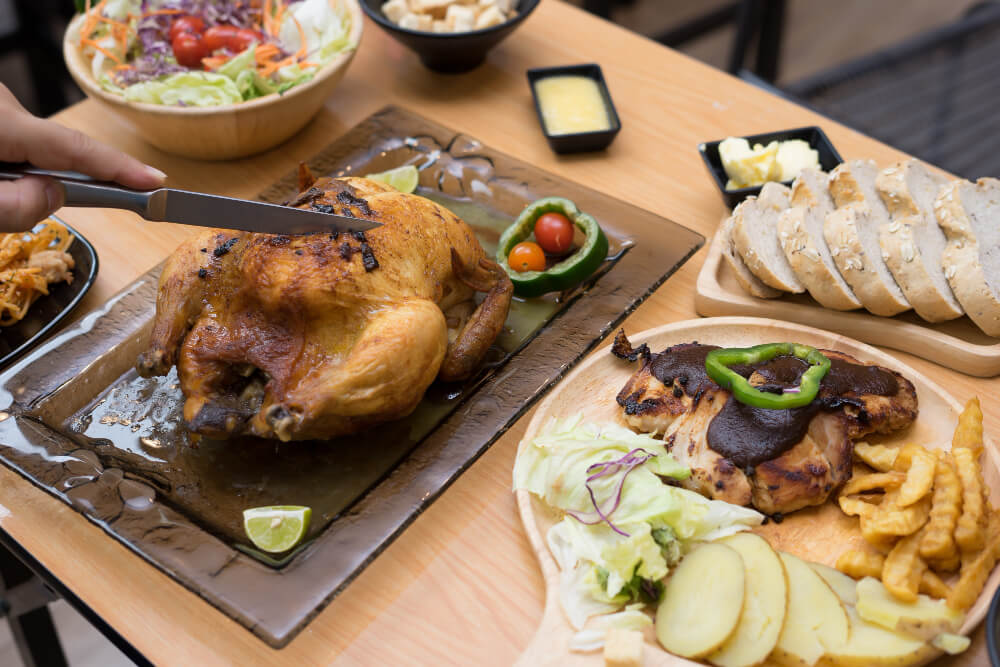
Boston Market, once a powerhouse in the fast-casual dining scene, has seen significant changes over the years. Known for its rotisserie chicken and comforting, home-style meals, the brand has faced both financial difficulties and competitive pressures. Once dominating the landscape of quick-service meals, Boston Market has had to adapt to a rapidly evolving market.
This article will explore whether Boston Market is still in business, what it does today, the challenges it faces, and its future prospects. We will also look into how the company has fought to stay competitive in an era dominated by online shopping and larger chain competitors.
A Little Background About Boston Market
Boston Market was founded in 1985 under the name Boston Chicken, with the goal of providing high-quality rotisserie chicken and classic comfort food in a fast-casual setting. The company revolutionized the dining experience by offering freshly prepared, home-style meals for people on the go. Over the years, it expanded its menu to include meatloaf, turkey, mashed potatoes, mac and cheese, and other traditional comfort foods that became staples in its offering.
The brand grew quickly throughout the 1990s, reaching over 1,200 locations across the U.S. at its peak. It became synonymous with rotisserie chicken and its signature family meals, catering to families, busy professionals, and anyone looking for a hearty, convenient meal. The chain also had a strong focus on providing catering options for holidays and events, which helped establish it as a community-centered brand.
However, despite its initial success, the company faced numerous challenges in the following decades that would impact its ability to maintain its previous level of success.
Is Boston Market Still in Business?
Yes, Boston Market is still in business, but its presence in the retail and dining world is much smaller than it once was. While the chain’s glory days are far behind, it continues to operate, albeit with far fewer locations than it once boasted. Today, Boston Market focuses on a more niche market and primarily operates under a smaller-scale model.
The brand now operates fewer than 500 locations nationwide, down from its peak of more than 1,200 restaurants. Despite these closures, Boston Market continues to serve its loyal customer base, especially through its online ordering and catering services. It may not be the dominant player in the restaurant industry anymore, but it remains operational in select markets, offering a limited but well-known menu focused on comfort foods.
What Exactly Does Boston Market Do?
Boston Market specializes in rotisserie chicken and a variety of home-style comfort foods. The company is still best known for its signature rotisserie chicken, which is slow-cooked and seasoned to perfection. It has also expanded its menu over the years to offer other favorites like meatloaf, turkey, mashed potatoes, macaroni and cheese, and cornbread.
In addition to traditional meals, Boston Market has developed a reputation for offering family-sized meals and catering services, especially around holidays like Thanksgiving and Christmas. Their ability to cater to family meals has been an important part of the business, as it continues to serve as a go-to destination for easy, prepared meals.
Though Boston Market’s physical restaurant locations have decreased, it continues to offer delivery services and online ordering to meet the needs of customers who still enjoy its classic offerings from the comfort of their homes. This shift to digital ordering and home delivery has been essential to keeping the brand in business as consumers’ dining preferences have evolved.
Current Status of Boston Market
Boston Market’s current status reflects the changing dynamics of the restaurant industry. It is a smaller, more focused brand compared to its glory days, but it has adapted to modern challenges. In recent years, the brand has shifted its focus to a more niche market and has embraced online and off-premise dining options like delivery and curbside pickup. It is no longer the large-scale, nationwide chain it once was, but it still has a presence in select markets.
In terms of operations, Boston Market’s physical presence is primarily concentrated in regions where it has the highest consumer demand. The brand operates in select locations throughout the U.S., offering a limited but consistent menu to its loyal customers.
Boston Market continues to prioritize customer satisfaction with its emphasis on family meals and classic comfort foods. However, the company faces an uphill battle as it competes with a large number of fast-casual and quick-service chains that now offer similar comfort food options.
What Happened to Boston Market?
Boston Market’s decline can be attributed to several factors. As the brand expanded in the 1990s and early 2000s, it struggled to maintain its competitive edge. The rise of major competitors, including fast-casual giants like Chipotle and Panera Bread, led to an oversaturated market. At the same time, consumer tastes began shifting toward healthier eating habits and a growing preference for local, fast-casual dining.
The company’s reliance on physical locations and its failure to adapt quickly to the e-commerce trend contributed to its downfall. Additionally, financial difficulties plagued the company, resulting in bankruptcies in 1998, 2002, and 2015. As a result, the company had to undergo multiple rounds of restructuring, which included significant store closures.
Despite these setbacks, Boston Market has continued to survive, though in a much smaller form, as it shifts toward an online and delivery-focused model.
Challenges Faced by Boston Market
Boston Market faced a variety of challenges over the years, both internal and external. The competition from larger chains, such as Wendy’s, McDonald’s, and KFC, which offer similar quick-service meal options, made it harder for Boston Market to maintain market share. Additionally, changing consumer preferences—especially the growing demand for healthier food options—contributed to a shift in market dynamics that hurt the brand’s traditional comfort-food-focused menu.
Another significant challenge was financial instability. With growing debt and a failure to modernize both its menu and digital presence, Boston Market struggled to maintain profitability. The company’s reliance on brick-and-mortar stores rather than adapting to online sales and delivery left it vulnerable to changing consumer habits, especially during the rise of e-commerce.
Boston Market’s Efforts to Stay Competitive
In order to stay competitive, Boston Market has focused on adjusting its business model in several ways. First and foremost, the company has expanded its online ordering system, allowing customers to place orders for delivery or pickup. It has also embraced third-party delivery services like DoorDash, Grubhub, and UberEats, ensuring that it remains a part of the rapidly growing online food delivery market.
Additionally, the company has worked to improve its menu offerings. While its rotisserie chicken remains the centerpiece of the menu, Boston Market has incorporated seasonal items and updated sides to keep things fresh and appealing to a broader customer base. The brand has also maintained its focus on family-style meals and catering services, which continue to attract customers looking for affordable yet high-quality options for large gatherings.
Future Plans of Boston Market
Looking ahead, Boston Market’s future will likely depend on its ability to continue adapting to the fast-changing food service industry. The brand will need to embrace digital technologies, such as mobile apps and e-commerce platforms, to expand its reach and improve customer engagement.
Additionally, the company may explore ways to rejuvenate its menu and introduce new, healthier options to appeal to changing consumer preferences. Expanding into health-conscious meal options and plant-based alternatives could also provide the company with the opportunity to tap into growing trends in the food industry.
Boston Market’s future will also hinge on maintaining its niche focus while expanding its delivery services to new areas, ensuring it remains relevant in an increasingly competitive market.
Conclusion
Boston Market may not be the giant it once was, but it’s not a business that has disappeared. The company still operates, though on a smaller scale, and has adapted to the changing landscape of the restaurant industry. From its roots in rotisserie chicken to its focus on delivery services and online ordering, Boston Market has found ways to stay relevant.
The challenges faced by Boston Market—from financial instability to fierce competition—are not unique in the fast-casual sector. However, with a strategic focus on its niche market, digital platforms, and evolving customer needs, the company still has the potential to carve out a place in the future of food service. Whether it will thrive in the coming years will depend on its ability to innovate and stay ahead of the curve in a world where consumer preferences continue to evolve.
Also Read:
- Is RadioShack Still in Business?
- Is Pontiac Still in Business?
- Is Newport News Clothing Still in Business
