

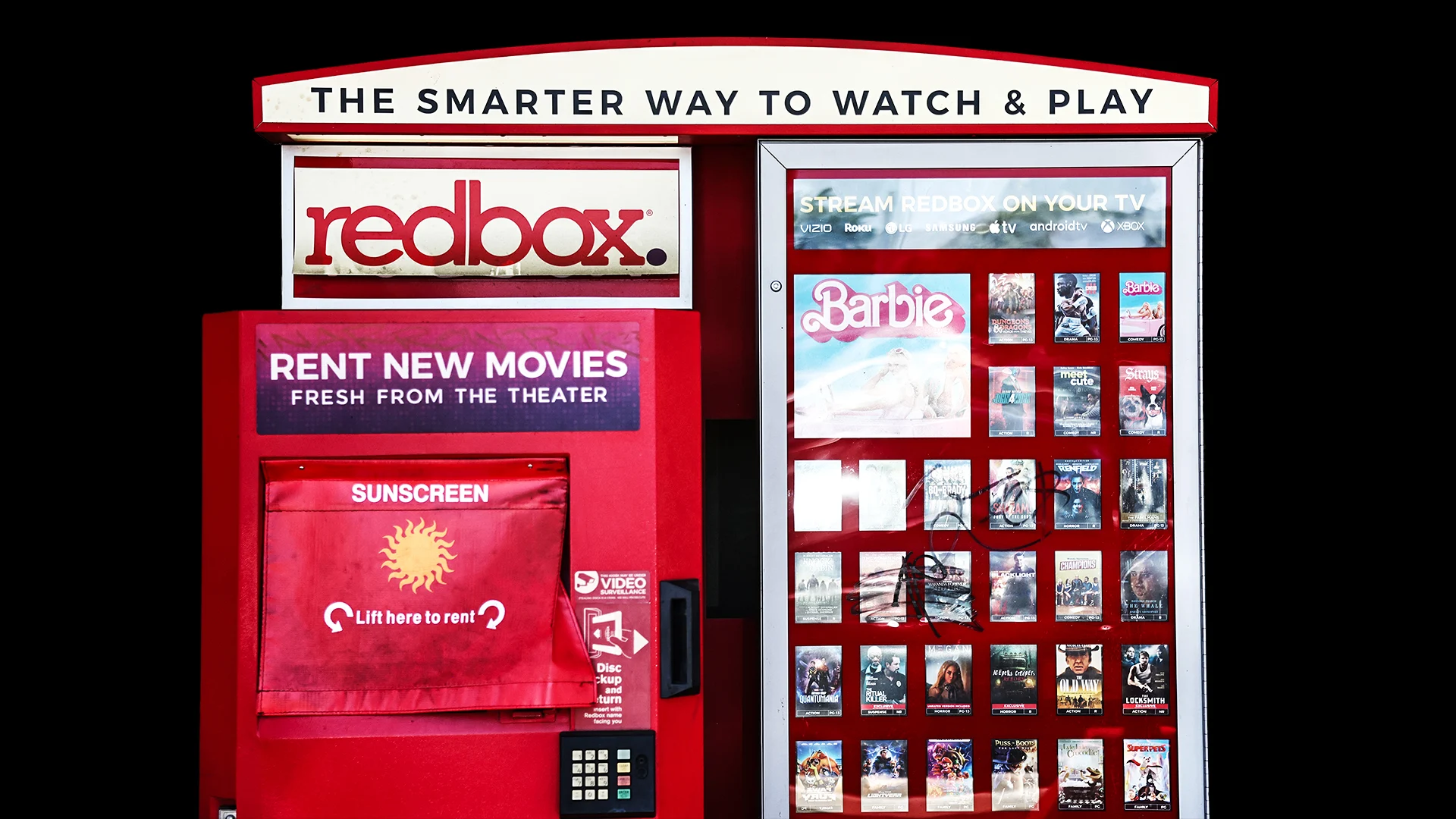
Redbox, once a dominant force in the movie rental business, became a household name with its self-service kiosks offering DVDs, Blu-rays, and video games at affordable rates. For many, it was a revolutionary way to rent movies on the go, bypassing traditional rental stores. However, with the rise of digital streaming platforms like Netflix and Hulu, Redbox’s once-thriving business model began to crumble. In this article, we explore whether Redbox is still in business, what happened to it, and what led to its decline.
History of Redbox
Founded in 2002, Redbox began as a self-service kiosk offering DVD rentals at locations like grocery stores and pharmacies. The concept was simple: customers could rent DVDs at their convenience, and return them to any other Redbox kiosk. Its affordable pricing, typically around $1 per day for a DVD rental, made it an attractive alternative to traditional video rental stores like Blockbuster.
Redbox expanded rapidly in the late 2000s and early 2010s, with kiosks popping up in thousands of locations across the United States. By 2010, Redbox was renting out millions of DVDs, and its market share in the rental business was significant. This massive growth caught the attention of Hollywood studios, who began making deals to distribute films through Redbox.However, this success would not last long.
Is Redbox Still in Business?
While Redbox is still technically in business, its presence and influence in the entertainment industry have been significantly reduced. After years of struggling to compete with digital streaming platforms, the company was eventually acquired by Chicken Soup for the Soul Entertainment in 2020. As of 2024, Redbox no longer has the same widespread reach it once enjoyed. Kiosks have been removed from many locations, and the business has pivoted primarily toward digital streaming services through the Redbox On Demand platform.
Today, Redbox operates a much smaller footprint and offers movie rentals via online streaming. Its physical kiosks are largely gone, though a few may remain in select locations. The company has shifted its focus to offering movies and TV shows on-demand, but it’s not the rental giant it once was.
What Happened to Redbox?
The decline of Redbox can be attributed to several factors. The most significant of these is the rise of streaming services. As platforms like Netflix, Hulu, and Amazon Prime Video became more popular, consumers turned to digital streaming as a more convenient and comprehensive way to watch movies and TV shows. Redbox’s once-powerful model of renting physical discs became less appealing, as users preferred the instant access and growing catalog offered by streaming.
Additionally, Netflix’s dominance in the industry, and its shift from DVD rentals to streaming, further disrupted Redbox’s business. The rise of smart TVs, gaming consoles, and mobile devices that could easily stream content made it harder for Redbox to compete with the convenience of watching content without leaving home or even needing physical media.
The Decline of Redbox
Redbox’s decline was not immediate but gradual. After hitting its peak in the mid-2010s, the company began to see a decrease in revenue. The saturation of Redbox kiosks and declining DVD and Blu-ray sales affected its business model. At the same time, the growth of subscription-based streaming services led to fewer people renting physical copies of movies.
The company’s troubles were compounded by its lack of innovation. While Redbox attempted to integrate streaming into its offerings through Redbox On Demand, it couldn’t keep pace with the all-encompassing digital platforms that offered a far more convenient and expansive catalog. By the late 2010s, it was clear that Redbox was no longer the giant in the rental industry that it once was.
How Redbox Worked Before the Shutdown
Before its decline, Redbox operated thousands of self-service kiosks at grocery stores, pharmacies, and big-box retailers across the U.S. Customers could browse a wide selection of movies, pay via a credit card, and rent DVDs or Blu-rays for $1 per day. The process was fast, efficient, and, most importantly, convenient.
Redbox also offered video games and new releases, which attracted a broad audience. Over time, Redbox adapted by offering digital rentals through its website and mobile apps. The service became a viable competitor to traditional rental stores, with 24/7 availability and low prices that appealed to cost-conscious consumers.
Why Did Redbox Fail?
Redbox’s failure can be attributed to several factors:
-
The shift to digital streaming: As more people adopted streaming, the demand for physical DVD rentals plummeted.
-
Lack of original content: Unlike streaming giants, Redbox did not produce original content, which made it less appealing to consumers who sought exclusive shows and movies.
-
Failure to innovate: Despite attempts to move into digital rentals, Redbox was unable to keep pace with more robust platforms like Netflix and Hulu.
-
Increased competition: The entry of Amazon, Apple TV, and other streaming services made it even harder for Redbox to thrive in the digital age.
What Led to Redbox Going Out of Business?
Redbox’s eventual decline and shift toward digital streaming were inevitable due to the changing nature of consumer behavior. The rapid adoption of on-demand streaming services left little room for physical rental models. While Redbox attempted to reinvent itself through online rentals, it couldn’t overcome its reliance on physical media. The company’s bankruptcy filing and eventual acquisition marked the end of its role as a dominant force in the rental industry.
Efforts to Revitalize the Brand
In an effort to stay relevant, Redbox shifted its focus to digital rentals through its Redbox On Demand platform. The company has also partnered with streaming platforms to offer more content online, but the battle with giants like Netflix and Amazon has proven difficult. Redbox’s ongoing attempt to revitalize its brand includes offering lower-cost options, but it remains to be seen whether it can regain any of the market share it once had.
Conclusion
Redbox is no longer the household name it once was, but it is still technically in business, primarily through digital streaming. The brand’s initial rise to fame was built on convenience, low-cost rentals, and a wide selection, but the digital age led to its decline. The once-iconic Redbox kiosks are disappearing, and while the company is attempting a comeback through digital offerings, its future remains uncertain. The movie rental industry has changed, and Redbox’s attempt to adapt may not be enough to reclaim its former glory.
Also Read:
