

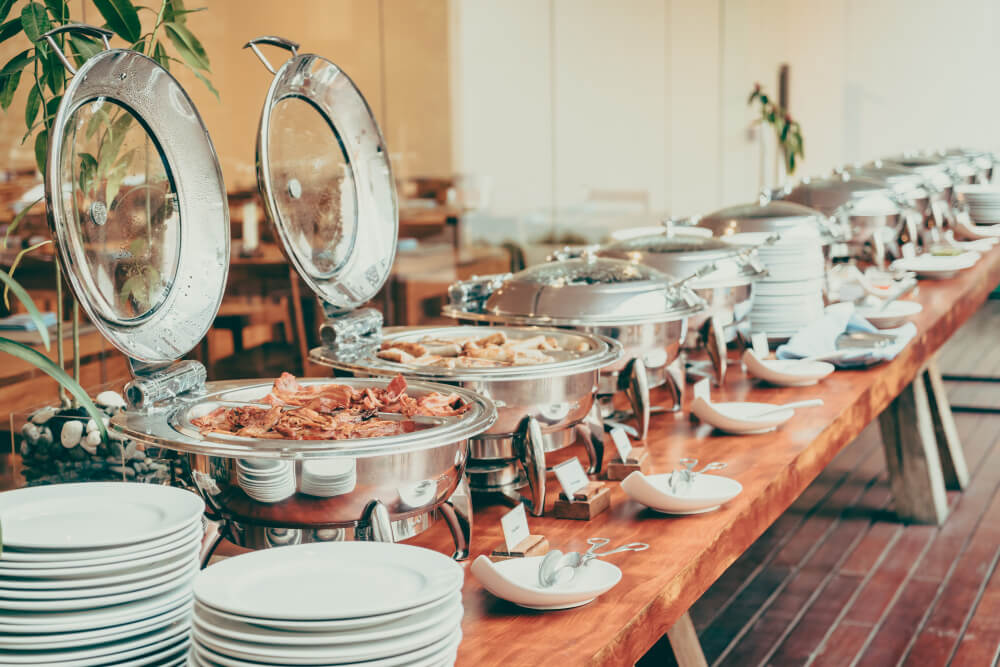
Hometown Buffet was once a symbol of American dining culture, with families flocking to its all-you-can-eat buffet tables for comfort food and affordable meals. But what happened to this once-popular chain? Is it still in business, or has it been swallowed up by the changing landscape of dining? In this article, we’ll take a trip down memory lane to explore the history, rise, and eventual fall of Hometown Buffet, and whether there’s any hope for its return.
History of Hometown Buffet
Founded in 1983 by VitaNova Brands (previously known as Buffets, Inc.), Hometown Buffet became synonymous with affordable family dining. The chain capitalized on the growing demand for buffet-style dining, where patrons could pay a single price for unlimited servings. Initially, its success was driven by the simple appeal of variety and quantity. With an extensive menu featuring comfort foods like fried chicken, mashed potatoes, pasta, and a salad bar, Hometown Buffet quickly became a favorite across the United States.
During the late 1990s and early 2000s, Hometown Buffet expanded rapidly, with dozens of locations sprouting up across the country. The chain was part of a larger buffet conglomerate that included Old Country Buffet and Ryan’s Buffet, all of which catered to customers looking for an affordable and convenient dining option for families and groups. In its prime, Hometown Buffet seemed unstoppable.
Is Hometown Buffet Still in Business?
Unfortunately, Hometown Buffet is no longer in business. The buffet chain went through several rounds of closures and rebranding, with the final nail in the coffin being the COVID-19 pandemic. Due to the nature of buffet dining, where food is served in an open, self-serve style, the pandemic’s health and safety concerns made buffet-style restaurants unsustainable.
After several financial struggles, VitaNova Brands filed for bankruptcy and began liquidating assets. By 2021, all remaining locations had closed their doors permanently. The brand no longer has any active restaurants, and the name itself is essentially retired, though its intellectual property was sold off in bankruptcy proceedings.
Hometown Buffet’s Golden Age: A Snapshot of American Dining
At its height, Hometown Buffet was a fixture of American dining culture. The chain became synonymous with family gatherings and group celebrations, offering an experience that was both casual and affordable. For many, the all-you-can-eat concept was a novel idea, and the buffet setting encouraged socializing as families could choose from an array of dishes to suit everyone’s tastes.
A major selling point was its affordability — the price was fixed, making it a great choice for families on a budget. Hometown Buffet also stood out with its huge variety. Whether diners were in the mood for something light like a fresh salad or craving hearty comfort food like fried chicken, they were guaranteed to find something that satisfied their appetite.
Hometown Buffet was more than just a place to eat; it became a destination. People flocked to the chain for birthday parties, family reunions, and casual weekday dinners. It played an important role in American dining culture, especially during the 1990s and early 2000s when buffet restaurants were in demand.
The Rise and Fall: The Buffet Business Model Under Siege
Despite its initial success, the buffet business model began to face serious challenges. The first major issue was competition. Other chains, such as Golden Corral and Sizzler, began offering similar all-you-can-eat dining experiences. However, these competitors adapted faster, modernized their offerings, and, in some cases, improved the quality of their food. Hometown Buffet, on the other hand, struggled to keep up with changing dining preferences.
Additionally, the rise of health-conscious dining in the late 2000s and 2010s led to a shift in consumer behavior. Many diners began opting for healthier food options, and the idea of a buffet with endless fried foods and high-calorie options became less appealing to health-conscious customers. This shift hurt Hometown Buffet’s ability to attract younger, more health-conscious crowds.
The chain also struggled with operational costs, particularly with food waste. Buffets, by their nature, lead to a significant amount of uneaten food, which became increasingly difficult to justify in an era of tighter margins and higher competition.
The Final Days: When Did Hometown Buffet Close?
By 2013, Hometown Buffet was already in decline, with the company filing for bankruptcy. This marked the beginning of a slow but inevitable closure of its locations. Over the next few years, more and more restaurants shut down, and the remaining locations attempted to adjust to new trends by introducing more upscale features and limited menus. However, it wasn’t enough to save the brand.
The COVID-19 pandemic accelerated the chain’s demise. Health and safety regulations, coupled with the unappealing nature of buffet dining during a health crisis, forced the chain to close all of its remaining locations permanently. As of 2021, Hometown Buffet officially ceased operations, with no plans for a comeback.
Legacy of Hometown Buffet: What Does Its Closure Mean?
Hometown Buffet’s closure marks the end of an era for all-you-can-eat buffets in the U.S. Its legacy, however, remains strong. The chain was a pioneering force in the buffet industry, providing a model that many competitors still follow today. For a generation of diners, Hometown Buffet represents a simpler time when dining out was about indulgence and family bonding.
While the brand itself is no longer in operation, its influence can still be seen in other buffet-style chains that have tried to replicate its success. Hometown Buffet also contributed to the rise of the casual dining industry, setting the stage for other family-friendly dining concepts.
Could Hometown Buffet Ever Make a Comeback?
The question remains: could Hometown Buffet ever make a comeback? While the chances of a full revival seem slim, the idea of reinvigorating the brand in a new form is not entirely out of the question. As dining trends evolve, there may be an opportunity for a reimagined buffet experience, one that adapts to new consumer preferences for healthier, sustainable food options.
A rebrand of Hometown Buffet could look very different, focusing on higher-quality offerings, eco-friendly practices, and potentially even a smaller, more upscale concept. However, the traditional all-you-can-eat buffet, especially in its old form, seems unlikely to return in its previous glory.
Conclusion: The End of an Era and the Future of Dining
The closure of Hometown Buffet represents more than just the end of a single restaurant chain — it’s a reflection of how dining culture has shifted over the years. Buffets, once a symbol of family-friendly dining, have been replaced by faster, more sustainable dining options. While Hometown Buffet’s legacy will always be remembered by those who enjoyed it, the future of dining seems to be moving in a different direction.
As the restaurant industry continues to evolve, dining experiences will need to adapt to changing consumer demands for healthier food options, sustainability, and convenience. While Hometown Buffet may have closed its doors, it helped shape the American dining landscape and provided memories for millions of families who will never forget its all-you-can-eat charm.
Also Read:
- Is Broyhill Furniture Still in Business?
- Is Barista Joe’s Coffee Still in Business?
- Is Fingerhut Still in Business?
