

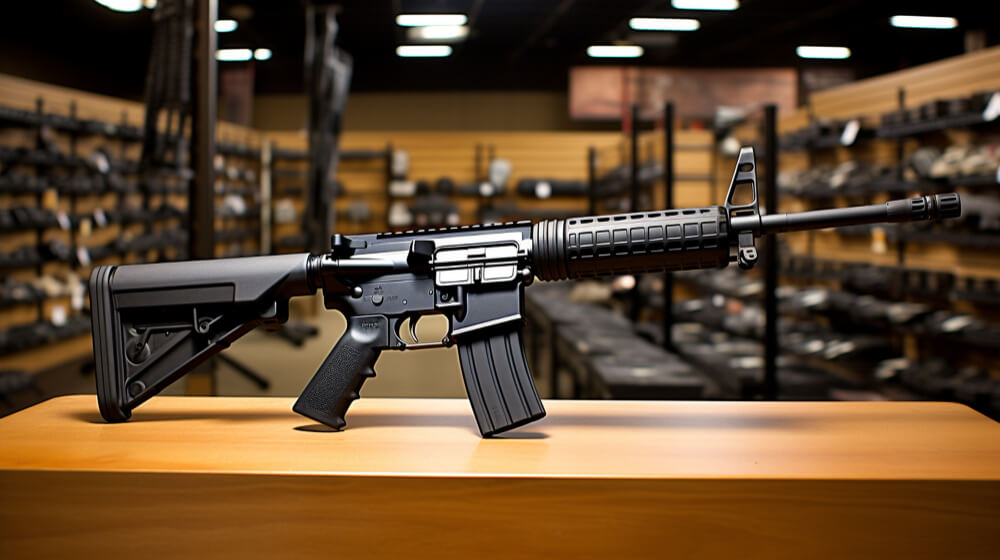
Windham Weaponry has long been recognized as one of the United States’ notable rifle manufacturers, especially for its AR-15-style rifles and its strong historical ties to the legacy of Bushmaster Firearms. Over the years, many people have wondered whether this Maine-based company is still operating, particularly after reports of shutdowns and ownership changes. This article explores the complete story of Windham Weaponry, including its origins, closure, revival, present condition, challenges, and future outlook.
History of Windham Weaponry
Windham Weaponry was founded in 2011 by American firearms entrepreneur Richard Dyke. After selling Bushmaster Firearms and witnessing its production leave Maine, Dyke aimed to restore local firearm manufacturing by establishing a new company rooted in the same craftsmanship and workforce. Windham Weaponry was built with a strong connection to Bushmaster’s heritage, employing many former Bushmaster workers and focusing on high-quality AR-15-pattern rifles.
In its early years, the company experienced steady growth and earned a solid reputation among civilian shooters, hunters, and professional users. Its rifles were known for dependable performance, consistent quality, and reasonable pricing. For more than a decade, Windham Weaponry stood as one of Maine’s key firearm manufacturers and a symbol of the state’s historical role in the U.S. gun industry.
Is Windham Weaponry Still in Business?
As of 2025, Windham Weaponry is still in business, though its journey has been far from straightforward. The company faced a major setback in 2023 following the death of its founder and mounting financial pressures. These issues led to a temporary shutdown and liquidation of company assets. However, the Windham Weaponry brand did not disappear permanently.
Under new ownership and management, the company was revived and resumed operations in Maine. Key assets such as the brand name, trademarks, online presence, and customer records were acquired, allowing Windham Weaponry to re-enter the firearms market. Production has restarted, and the company is once again selling firearms, primarily focusing on its traditional AR-style rifles.
Closure and Reopening
In September 2023, Windham Weaponry announced it was ceasing operations due to financial difficulties. The company cited an extremely challenging business environment and the inability to meet certain loan obligations. As a result, manufacturing stopped, orders were halted, and the business prepared for closure.
In early 2024, a group of new owners — including experienced individuals familiar with the company’s original operations — stepped in to revive the brand. After purchasing the essential assets through an auction process, they rebuilt the company almost from scratch. Former employees were rehired, equipment was restored, and production facilities were brought back online. By spring 2024, Windham Weaponry officially announced its return to business.
Windham Weaponry’s Return to the Market
Since reopening, Windham Weaponry has reentered the firearms market with a more focused approach. The company has prioritized its core lineup of AR-pattern rifles, which remain popular among recreational shooters, hunters, and tactical users. Early reports from management suggest that initial sales have been strong for a relaunch phase.
While production levels are currently lower than during the company’s peak years, this is expected as operations stabilize and infrastructure continues to be rebuilt. There have also been indications that the company may expand into other product categories, such as shotguns or ammunition, as part of its long-term growth strategy.
Challenges and Industry Context
Windham Weaponry’s story reflects broader challenges within the U.S. firearms industry. Manufacturers often face fluctuating demand, regulatory uncertainty, rising operational costs, and intense competition from larger or lower-cost producers. These factors contributed to the financial strain that led to the company’s 2023 shutdown.
Additionally, Maine has seen a decline in firearm manufacturing as some companies have relocated to other states with more favorable economic conditions. Windham Weaponry’s temporary closure aligned with this wider industry trend. Despite these challenges, the company’s revival demonstrates the continued value of brand reputation, skilled labor, and customer loyalty.
Financial Condition of Windham Weaponry
Because Windham Weaponry is privately owned, detailed financial information is not publicly available. What is known is that the company’s earlier closure was driven by debt and loan-related pressures under previous ownership. The asset sale and relaunch in 2024 allowed the business to reset financially under new leadership.
Current management has described post-reopening performance as strong for a restart operation, suggesting improving stability as orders resume and production increases. However, long-term financial success will depend on careful cost management and sustained market demand.
Future Prospects
Windham Weaponry’s future depends on several important factors. Expanding its product lineup could help diversify revenue and reduce reliance on a single rifle category. Rebuilding long-term relationships with civilian buyers and law enforcement customers may provide consistent demand. At the same time, overall industry trends and regulatory conditions will continue to influence growth opportunities.
If the company maintains its reputation for quality, scales production responsibly, and adapts to market conditions, it has the potential to reestablish itself as a respected name in American firearm manufacturing.
Conclusion
In summary, Windham Weaponry is still in business. Although the company experienced a shutdown and liquidation process in late 2023, it was successfully revived under new ownership and resumed operations in 2024. Today, Windham Weaponry continues to manufacture firearms and serve its customers, drawing strength from its legacy, skilled workforce, and loyal following. While challenges remain, the brand’s return highlights resilience and ongoing relevance in a competitive industry.
Also Read:
